What is Pediatric Filling?
Pediatric filling is a children’s dentistry treatment in which cavities in primary teeth or newly erupted permanent teeth are cleaned and restored with an appropriate material.
The aim is to preserve the function of the tooth, reduce pain, and stop the progression of decay.
- Helps protect the tooth in children.
- Supports chewing and speech function.
- Early intervention can prevent larger procedures.

Why Should I Choose Pediatric Filling?
Cavities in children can progress quickly; pediatric filling is important to save the tooth early and reduce problems such as pain, sensitivity, and infection.
Untreated primary teeth can also negatively affect the health of the underlying permanent teeth.
- Helps protect the tooth without extraction.
- Increases the child’s daily comfort.
- An effective solution that can be completed in a short time.
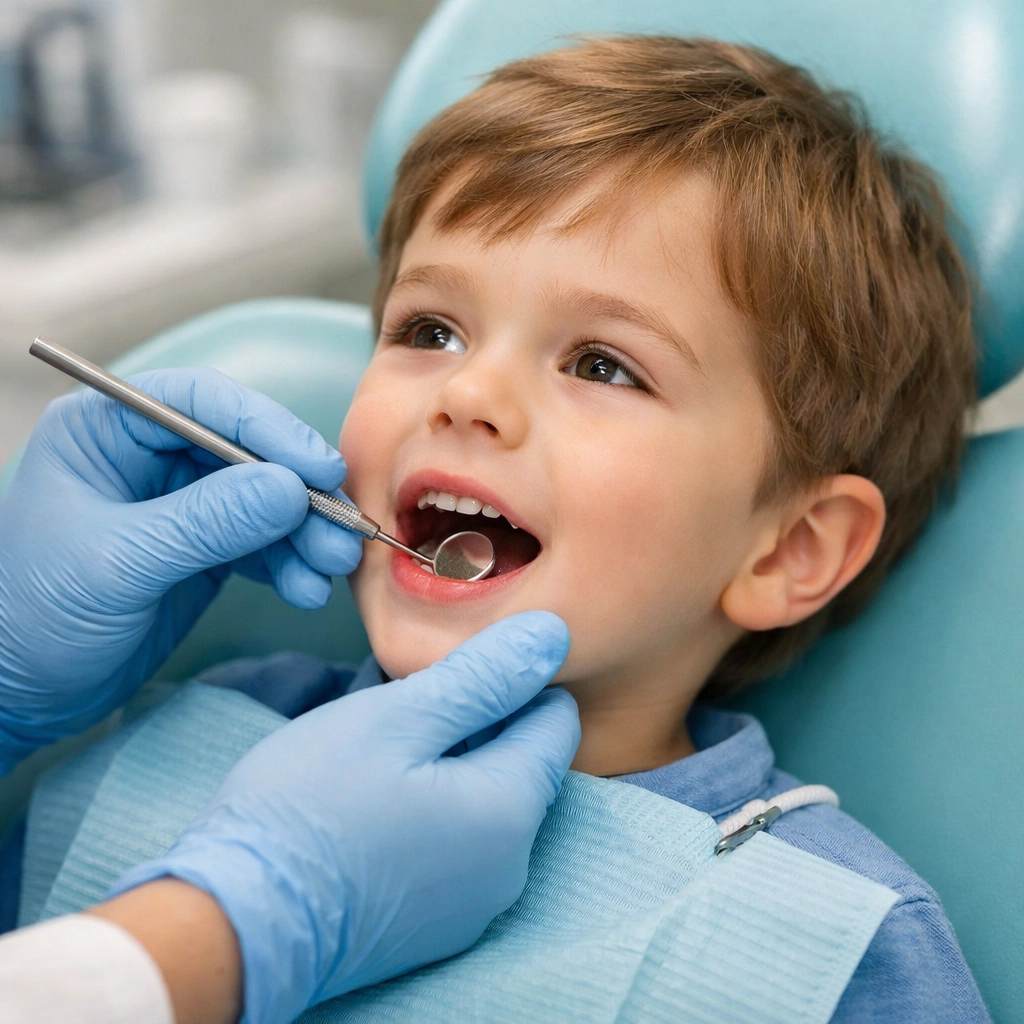
Am I a Suitable Candidate for Pediatric Filling?
If your child has a cavity, fracture, discoloration, or sensitivity during chewing in a primary tooth or newly erupted permanent tooth, pediatric filling may be considered.
The final decision is made after evaluating the depth of the cavity and the vitality of the tooth through examination.
- Children with cavities in primary teeth.
- Those with initial cavities in newly erupted permanent teeth.
- Patients with fractured or worn tooth surfaces.
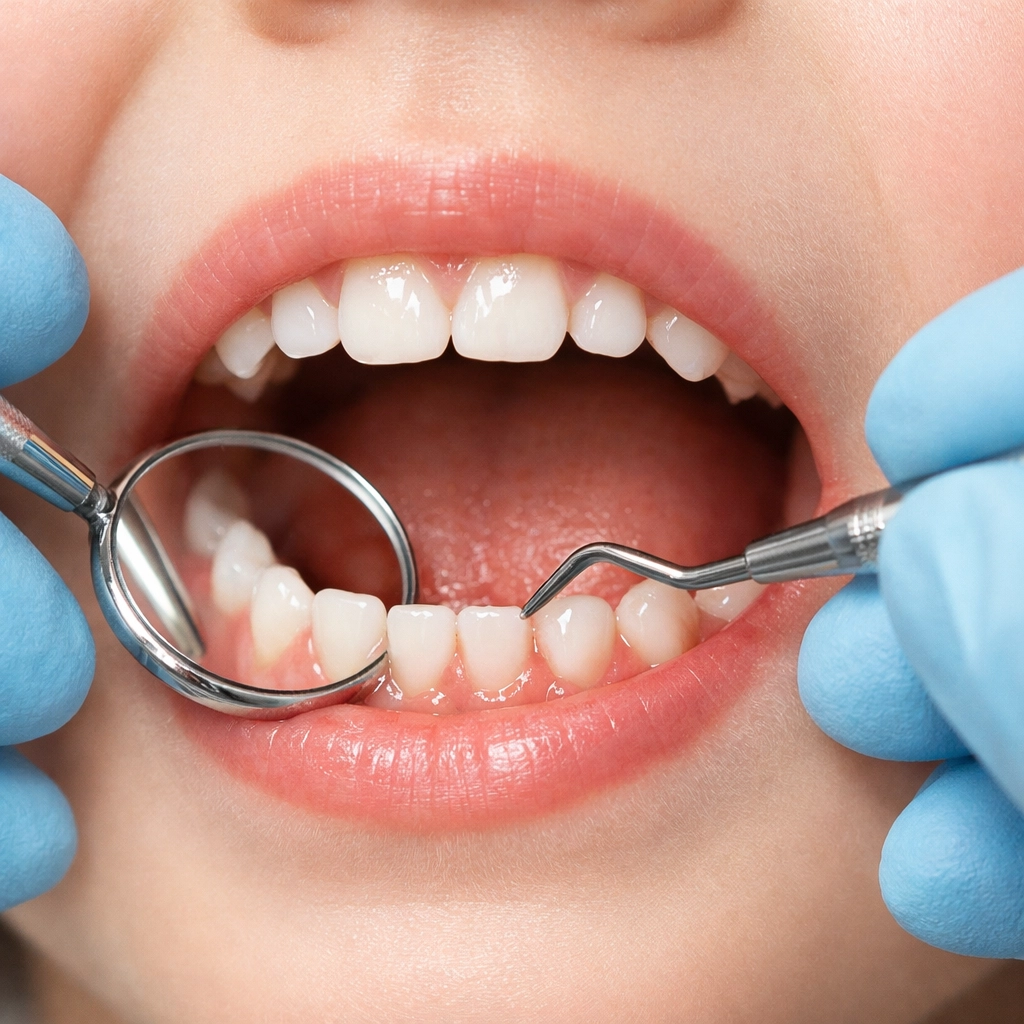
Advantages of Pediatric Filling
Pediatric filling protects the child’s tooth while reducing pain, stopping the progression of decay, and helping maintain oral health.
It is also a fast and practical treatment approach that increases children’s compliance with the dentist.
- Provides protection without extracting the tooth.
- A quick and comfortable procedure.
- Supports oral function.
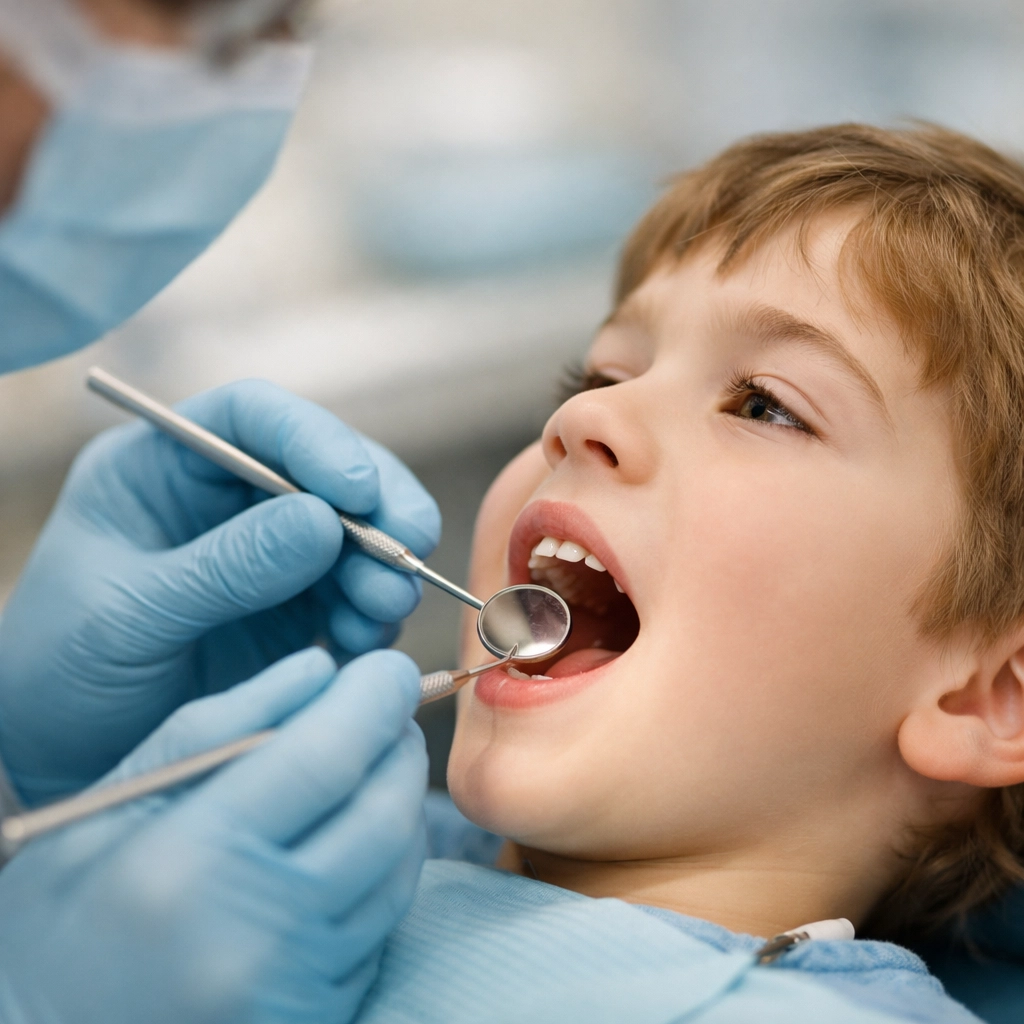
In Which Cases Is Pediatric Filling Applied?
Pediatric filling can be applied in cases of initial caries, small to medium cavities, broken tooth surfaces, chewing sensitivity, or aesthetic disorders.
For deeper cavities, root canal treatment or other pediatric interventions may be necessary.
- Deciduous tooth cavities.
- Superficial cavities in permanent teeth.
- Pediatric patients requiring tooth surface repair.
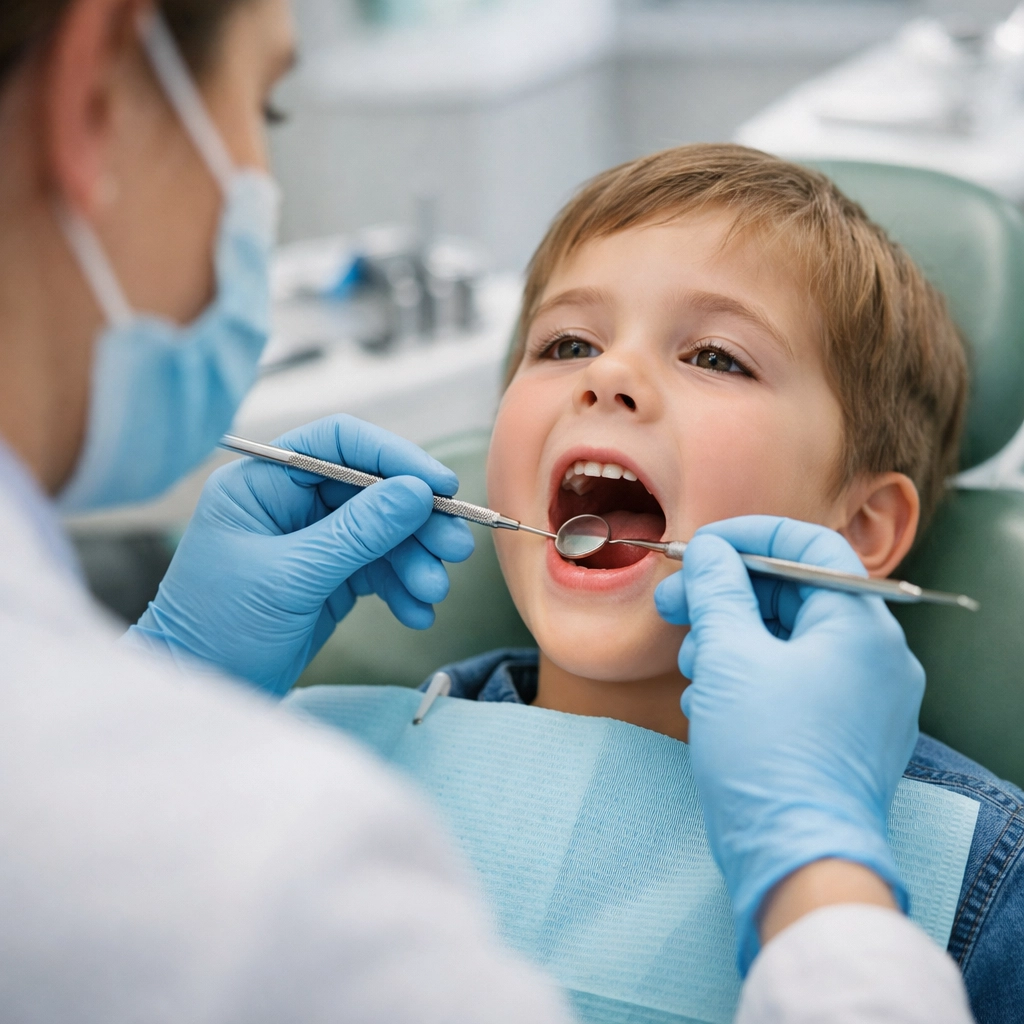
How Does the Pediatric Filling Treatment Process Proceed?
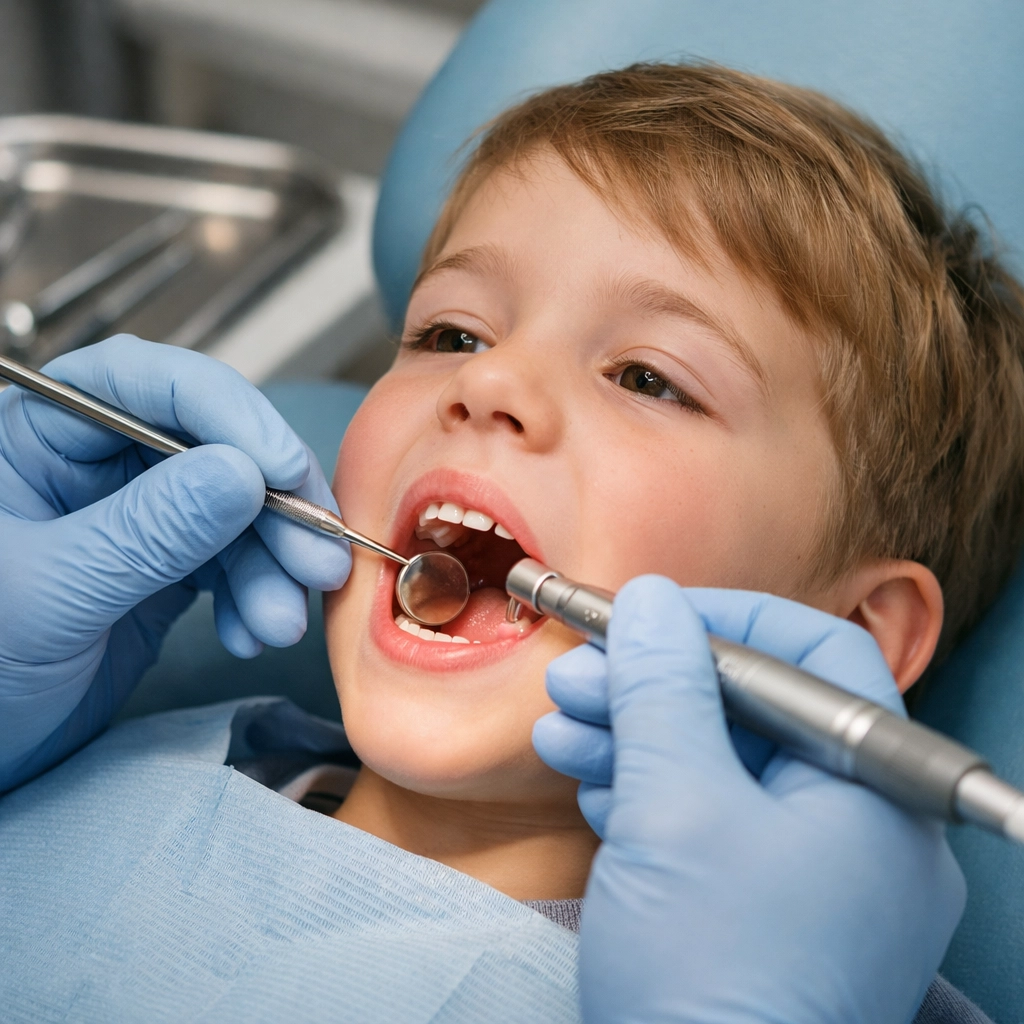
First, the condition of the tooth is evaluated, the decay is cleaned, and restoration is performed with a child-friendly filling material suitable for the tooth.
Treatment often takes a short time; afterwards, oral care, nutrition, and follow-up recommendations are given to the child and parent.
- Examination and, if necessary, radiographic evaluation are performed.
- Carious tissue is cleaned.
- The tooth is restored with the selected material and checked.
How Long Is the Recovery Time After Pediatric Filling?
Recovery time is usually short; the child is expected to return to normal eating and speaking patterns within a short time after the procedure.
If local anesthesia was used, care must be taken until the numbness subsides; sensitivity may last a few days.
- Numbness may occur in the first few hours.
- Hard and sticky foods should be avoided for a short time.
- Follow-ups should be done regularly.

Plan your smile with free consultation. Book your online appointment in 30 minutes.