Bir sabah şiddetli bir diş ağrısıyla uyandığınızda veya soğuk bir şey içerken dişinizde zonklama hissettiğinizde, aklınıza gelen ilk soru şu olabilir: "Bu dişim çekilecek mi?"Modern diş hekimliği sayesinde cevap çoğu zaman: Hayır! Gelişmiş kanal tedavisi (endodonti) teknikleri, doğal dişinizi ağızda tutmanın ve sağlığına kavuşturmanın en etkili yoludur.Kanal Tedavisi Nedir?Dişimizin en iç kısmında, "pulpa" adı verilen, …

When you wake up one morning with a severe toothache or feel a throbbing sensation in your tooth while drinking something cold, the first question that comes to mind might be: “Will this tooth be extracted?”
Thanks to modern dentistry, the answer is often: No! Advanced root canal treatment (endodontics) techniques are the most effective way to keep your natural tooth in your mouth and restore its health.
What is Root Canal Treatment?
At the innermost part of our tooth, there is a living tissue called “pulp,” consisting of blood vessels and nerves. When the tooth is damaged by a deep cavity, crack, or trauma, this tissue becomes inflamed. Root canal treatment is the process of cleaning this infected pulp, disinfecting it, and then filling it tightly with special filling materials.
5 Signs That You May Need Root Canal Treatment
Your tooth may give you these signals that something is wrong:
Persistent Severe Pain: Throbbing pain that increases especially at night.
Extreme Sensitivity to Hot and Cold: A lingering ache that occurs when eating or drinking and continues even after the stimulus is removed.
Swelling in the Gum: Pimple-like swellings (abscess) near the tooth root.
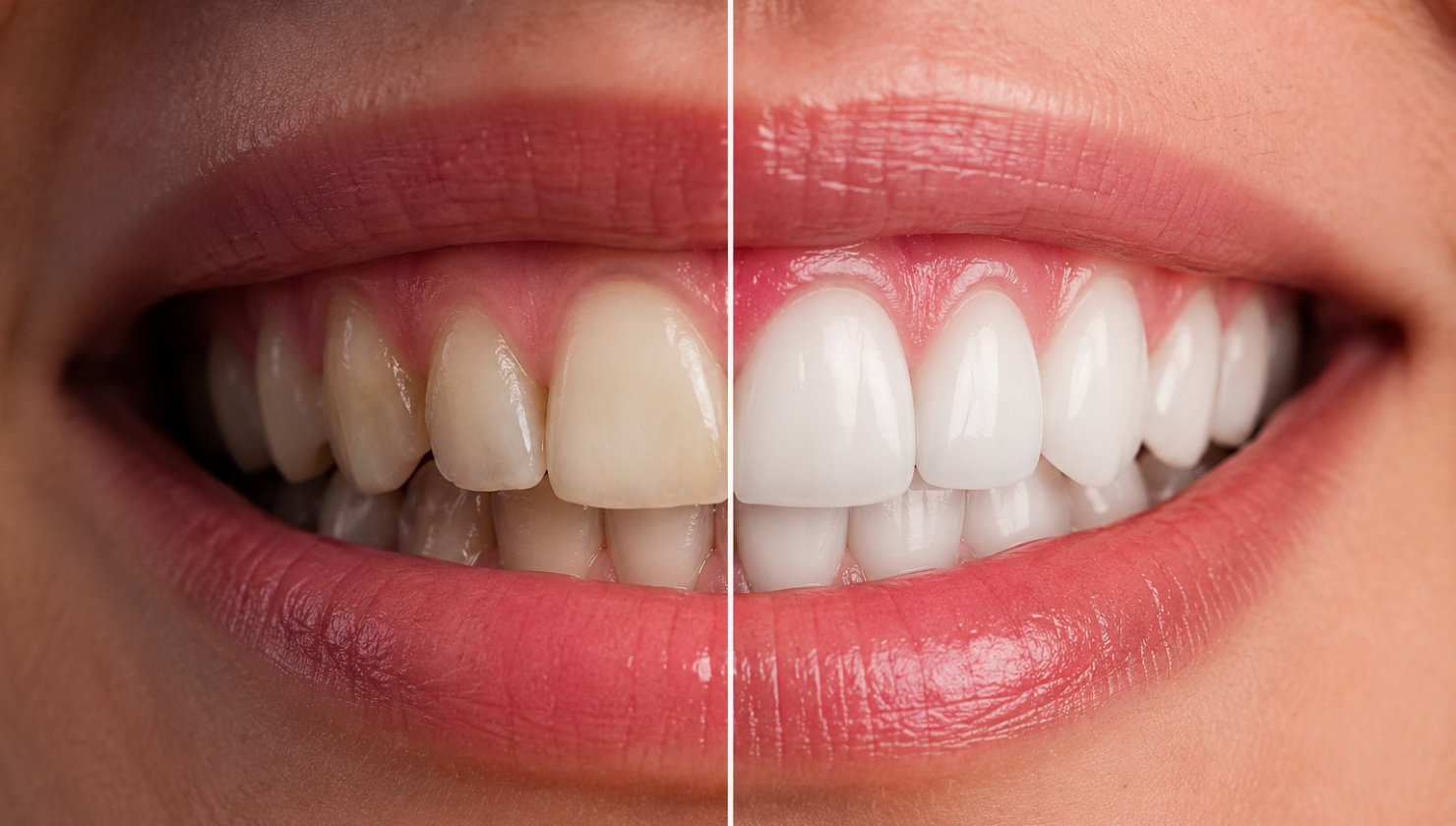
Darkening of the Tooth Color: Graying or darkening due to damage to the inner tissue of the tooth.
Sensitivity When Biting: Sharp pain when pressing on the tooth or chewing.
Leave Behind the Fear: “Does Root Canal Treatment Hurt?”
The biggest urban myth about root canal treatment is that the procedure is very painful. However, the truth is the opposite! Thanks to modern anesthesia techniques, getting a root canal is no different than getting a simple filling. The purpose of the procedure is not to cause pain, but to relieve the existing severe pain.
How Does the Root Canal Treatment Process Work?
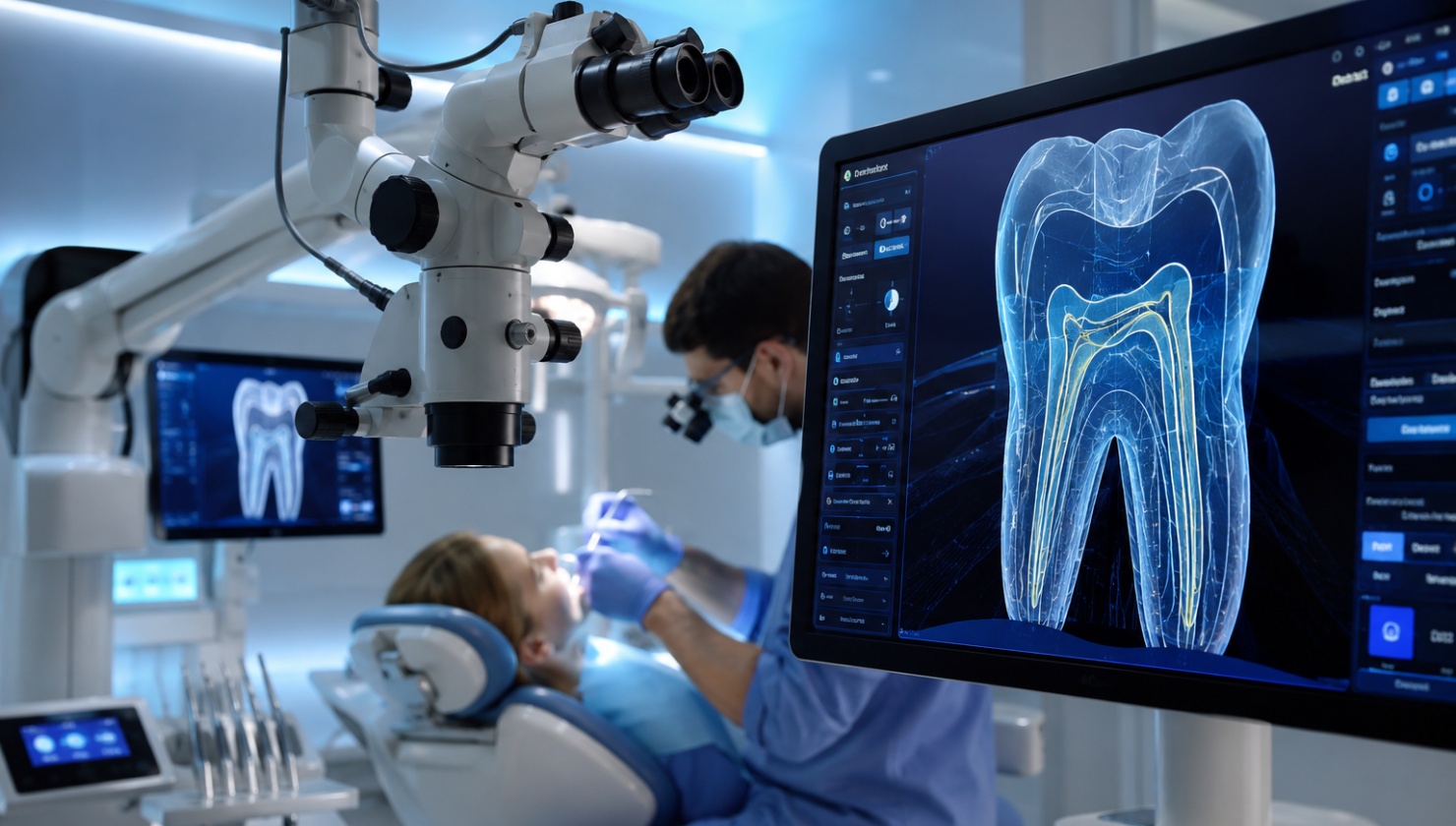
Diagnosis: X-rays are taken to examine the spread of infection and the root canal structure.
Cleaning: After local anesthesia, the inflamed tissues inside the tooth are meticulously cleaned.
Shaping and Filling: After the canals are enlarged and disinfected, the spaces are sealed with biocompatible materials.
Restoration: The treated tooth is restored to its former strength with an aesthetic filling or crown placed on top.
Post-Treatment Care
It is normal to have mild sensitivity in the tooth for a few days after treatment. During this time, you can use pain relievers recommended by your doctor and avoid chewing very hard foods with the treated area to allow the tooth to fully heal.
There is Nothing Better Than Your Own Tooth!
No prosthesis or implant can fully replace your natural tooth. Dentasay is here with our endodontics specialists to save your tooth from extraction and offer you a pain-free smile.
Do not postpone your toothache, do not allow the infection to spread. Take the first step to save your tooth by booking an appointment now!
Information Form
Easy and free!