
Straumann Implant: The World’s Trusted Dental Implant System Produced with Swiss Precision
You don’t have to compromise on your smile or chewing comfort due to missing teeth. At Dentasay Dental Clinic, we use Straumann implant systems in our treatments, which have set global standards in dental implantology since 1954. Manufactured with Swiss engineering, Straumann implants are preferred by millions of patients worldwide due to their proven high success rates and long-lasting results.
On this page, we explain in simple terms what a Straumann implant is, what advantages it offers, who it is suitable for, and how the implant treatment process works at Dentasay.
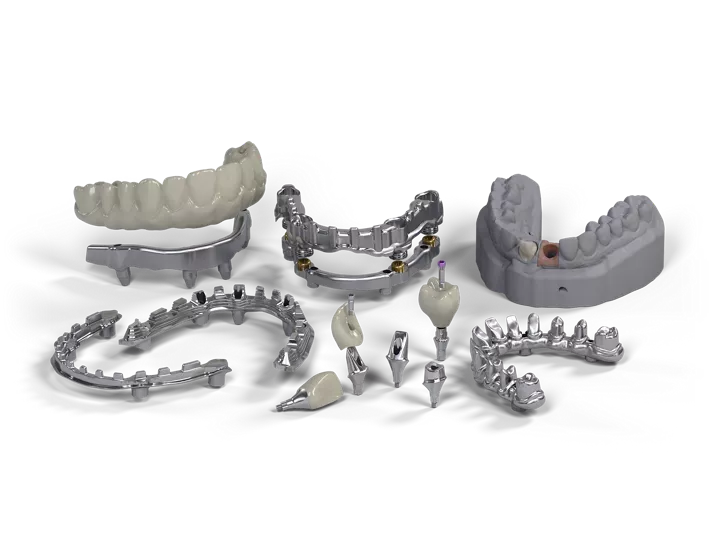
What is a Straumann Implant?
A Straumann implant is a titanium-based, Swiss-origin dental root system placed into the jawbone to replace missing teeth. Founded by Reinhard Straumann in 1954, the company introduced the first titanium dental implant in 1974 and has since become a global pioneer in dental implantology.
The most important feature that distinguishes Straumann from other implant systems is its proprietary surface technology (SLActive®) and high-performance implant material (Roxolid®). These technologies help the implant achieve faster and stronger fusion (osseointegration) with the jawbone.
Why Should You Choose Straumann Implant at Dentasay?
The concrete advantages of choosing the Straumann implant system for you are as follows:
- Over 70 Years of Experience: The scientific research and clinical experience accumulated since 1954 form the foundation of the reliability of Straumann implants.
- SLActive® Surface Technology: This special surface developed by Straumann can accelerate the bone fusion process, potentially shortening the healing time.
- Roxolid® Material: This high-strength special alloy allows even narrower implants to be used safely, meaning less invasive surgery in some cases.
- Proven Clinical Success: Straumann implants have high success rates supported by thousands of scientific studies and long-term clinical follow-ups worldwide.
- Natural Appearance and Feel: The implant acts like a natural tooth root; you feel comfortable while eating, speaking, and smiling.
- Does Not Damage Adjacent Teeth: Unlike traditional treatments like bridges, Straumann implants do not require cutting or filing down your healthy teeth.
- ITI Scientific Network Support: The International Team for Implantology (ITI) established by Straumann is the world’s largest scientific dental network, supporting clinicians to work with current and evidence-based protocols.
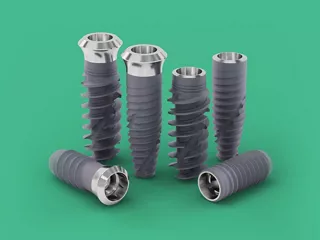
Who is Suitable for Straumann Implant?
Straumann implant treatment is a safe solution for our patients in the following situations:
- Patients who have lost a single tooth
- Individuals with multiple missing teeth or complete tooth loss
- Those who do not want to use removable dentures
- Those seeking a fixed and permanent dental solution
- Patients with low jawbone density who need special solutions like narrow implants
- Those aiming for the closest esthetics and function to natural teeth
- Patients who care about oral and dental health and can come for regular check-ups
Your suitability for implant treatment is evaluated by our dentist based on your jawbone density, general health status, and intraoral examination results. For a final decision, it is sufficient to undergo a free preliminary examination at our clinic.
How Does the Straumann Implant Treatment Process Work at Dentasay?
Our treatment process consists of four steps that prioritize patient comfort and transparency:
- Examination and Planning
Oral examination, and if necessary, 3D tomography is used to plan the jawbone density and implant position in detail.
- Placement of the Straumann Implant
Under local anesthesia, the Straumann implant titanium screw is surgically placed into the jawbone. The procedure usually takes 30-60 minutes.
- Healing (Osseointegration) Process
Biological fusion occurs between the implant and the jawbone. Thanks to SLActive® surface technology, this process can be accelerated in some cases; the average time varies between a few months.
- Prosthetic Stage
When the fusion is complete, an impression is taken over the implant and a custom crown or prosthesis is placed; the treatment is completed.
What Happens If You Do Not Treat Your Missing Tooth?
Not having an implant or other treatment for an extracted or lost tooth can lead to jawbone resorption, shifting of adjacent teeth, and deterioration of the bite over time. This creates a foundation for more food debris accumulation, increased tooth decay, and the development of gum diseases. Therefore, we recommend not delaying the treatment of your missing teeth.
Take the First Step to Regain Your Smile
At Dentasay Dental Clinic, you can have a healthy, natural, and permanent smile with Straumann implant systems manufactured with Swiss precision. Together with our experienced physician team, let’s create the most suitable implant treatment plan for your needs.
Plan your smile with free consultation. Book your online appointment in 30 minutes.

Frequently Asked Questions About Straumann Implant
How long does Straumann implant treatment take?
In cases without bone loss or additional complications, the entire process including implant placement and prosthesis delivery is completed within an average of 3-6 months. The duration may vary depending on your bone density and healing rate.
Is Straumann implant painful?
Since the procedure is performed under local anesthesia, no pain is felt during surgery. There may be mild sensitivity after the procedure; this resolves within a few days with pain relievers recommended by your doctor.
What is the lifespan of a Straumann implant?
With regular oral hygiene and periodic check-ups, Straumann implants can be used without problems for many years, even a lifetime.
What are SLActive® and Roxolid®?
SLActive® is a special surface technology that supports faster fusion of the implant with the bone. Roxolid® is a high-strength implant material that allows the safe use of narrower implants.
Can Straumann implant be applied to everyone?
It is suitable for most adult patients; however, factors such as bone density and chronic diseases are evaluated by your doctor. Final suitability is determined after an examination at our clinic.